
Intelligent indexing
Semantic understanding of the entire codebase. Locate dependencies, dead code and optimisation candidates across microservice boundaries in one query.
The AI-native engine for high-performance engineering teams. Streamline your workflow from architecture to deployment.
import { VectorIndex } from '@devengine/core';
const engine = new VectorIndex({
dimension: 1536,
metric: 'cosine',
optimizer: 'auto'
});
await engine.initialize();
_
Every component is designed to minimize latency between thought and execution, providing a seamless development experience.
Automatically structure your codebase with semantic understanding, allowing for lightning-fast retrieval and context-aware suggestions.
Push to global edge networks instantly. Our proprietary build engine optimizes assets and configures environments automatically.
Work alongside your team with zero conflicts. Changes stream instantly across sessions, supported by native conflict resolution and state management.
Explore sync protocols chevron_rightRuns on the stack you already have


How it works
Point DevEngine at a repository or a whole org. Read-only to start; nothing is written until you say so.
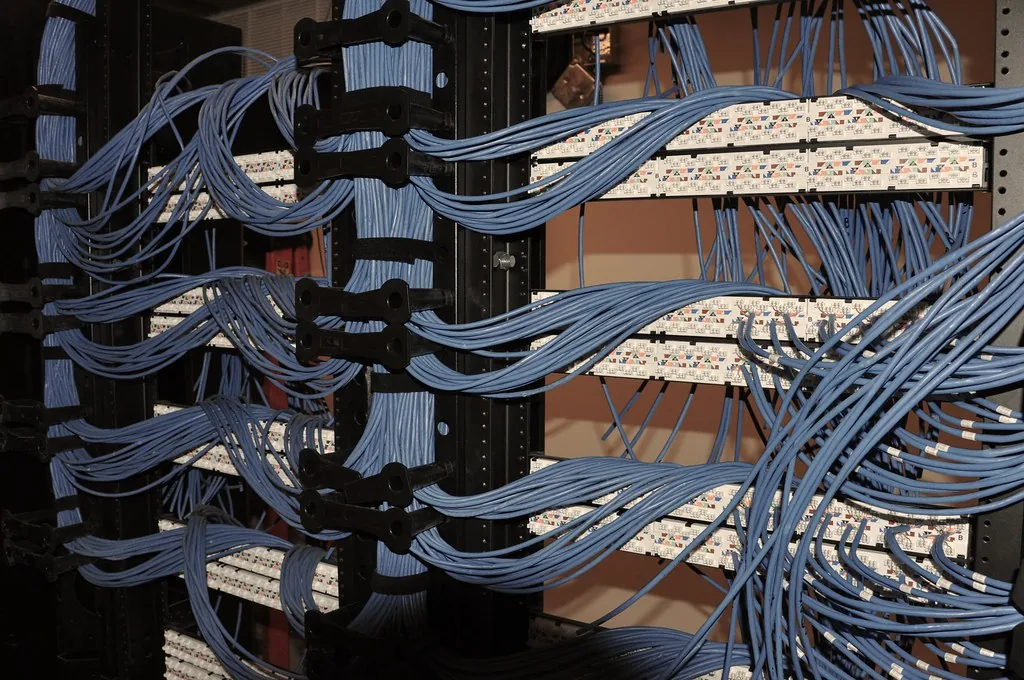
The graph builds in the background — symbols, dependencies, ownership, test coverage and dead code, across every service.
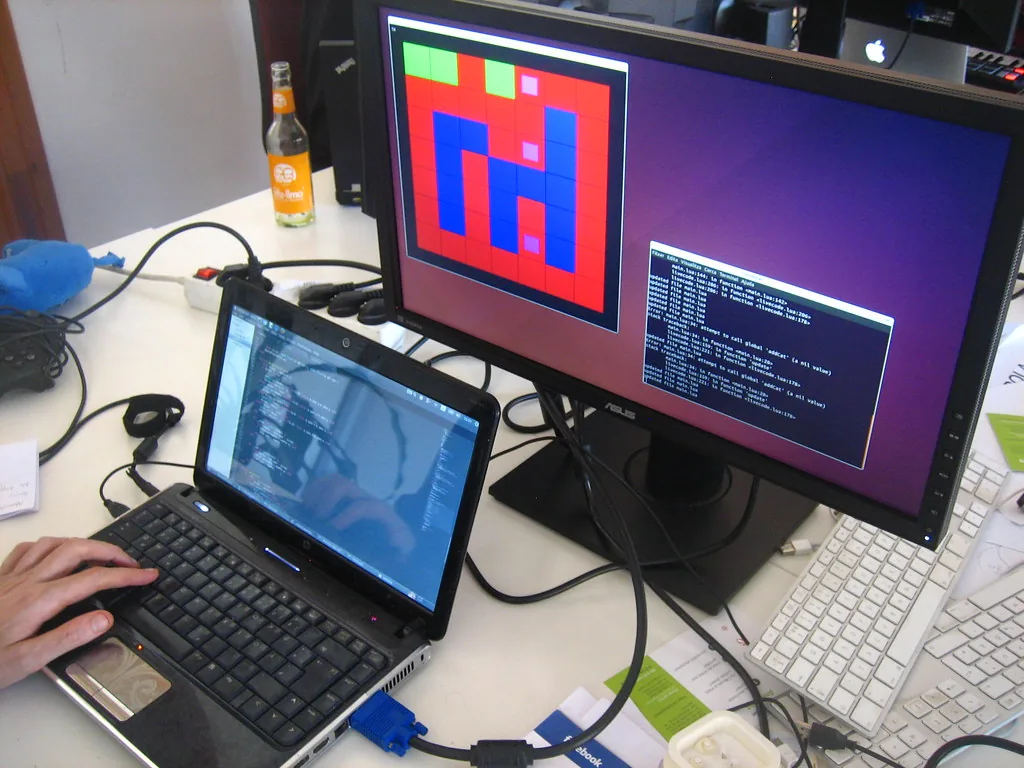
Open a pull request and the guardrails come with it: impact analysis, staged rollout, and a rollback that is one click, not one runbook.
What's included
Cross-service symbol and dependency graph, rebuilt incrementally on every push.
Zero-config CI/CD with staged rollout and automatic rollback on regression.
Impact analysis and ownership routing attached to every pull request.
Share a running branch by URL. Expires when the branch merges.
Every action, actor and artefact, exportable and retained for seven years.
Okta, Entra and Google Workspace, with directory-synced group mapping.
Features
Semantic understanding of the entire codebase. Locate dependencies, dead code and optimisation candidates across microservice boundaries in one query.

Zero-configuration pipelines. Push to production behind automated rollback and gradual rollout, with no YAML to maintain.

Multi-cursor editing, inline architecture review and instant environment sharing keep a distributed team in step.
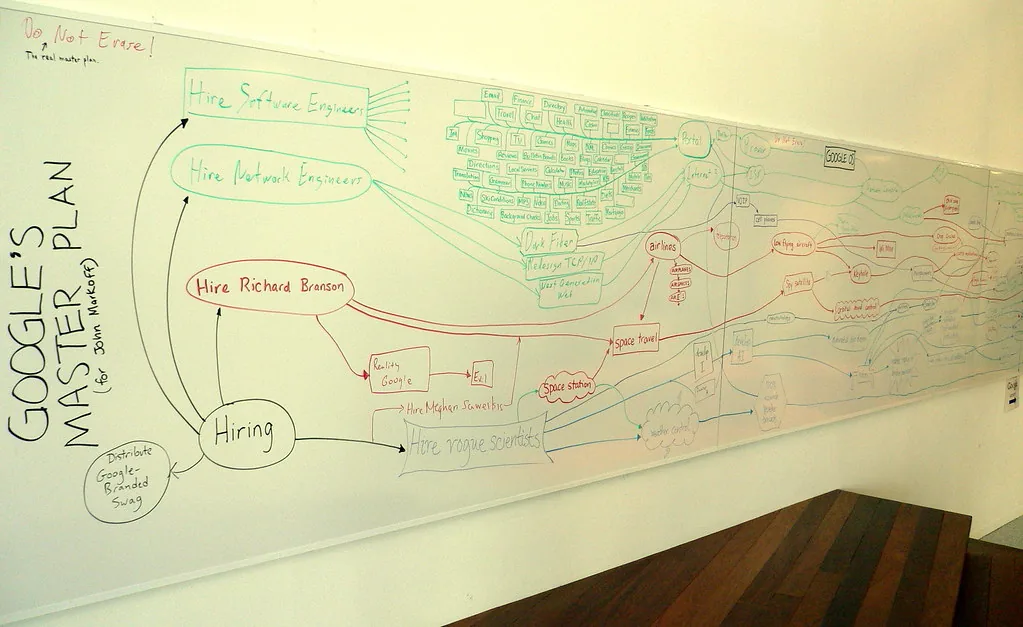
Policy as code on the merge path — licence checks, dependency budgets and migration gates that fail loudly and early.
The work




Pricing
For one engineer and their side projects.
For teams shipping to production every day.
For orgs with compliance in the critical path.
In their words
We deleted 60,000 lines in the first fortnight because the index finally told us what nothing called. That is the whole pitch.
The rollout gate caught a migration that would have locked our largest table for nine minutes. It paid for itself before the trial ended.
Onboarding used to be two weeks of asking people where things live. It is now an afternoon with the dependency graph open.
Questions
Not on Enterprise. The control plane runs in your own VPC and the graph never crosses the boundary. On Team, indexes are encrypted per-tenant and stored in the region you pick at signup.
A 2M-line monorepo lands in about ninety seconds. Everything after that is incremental and finishes inside a second on a typical push.
The rollout halts at the first stage that breaches its error budget and reverts to the previous artefact automatically. You get the diff, the traces and the offending commit.
Yes. DevEngine reads existing GitHub Actions and GitLab CI definitions and runs them unchanged while you migrate stage by stage.
Start today, or read everything first. Both are fine.