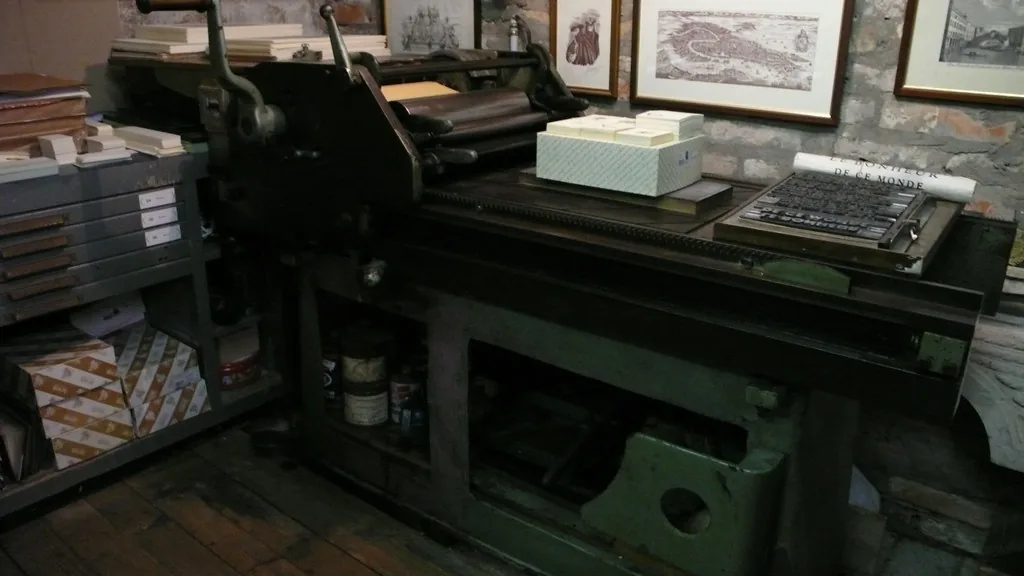
On the preservation of physical space in the digital age
Our longest essay to date, at fourteen thousand words, printed in a single unbroken run without a subheading.
On the preservation of physical space in the digital age.
We have spent the better part of two decades meticulously constructing a world without walls. The digital environment, by its very nature, abhors a boundary. It demands infinite scroll, seamless transition, and perpetual connectivity. Yet, in our relentless pursuit of this frictionless existence, we have inadvertently dismantled the very structures that once fostered profound silence.
Consider the architecture of a traditional library or an ancient cathedral. These spaces were explicitly designed to enforce a physical and acoustic boundary between the sacred (or intellectual) and the profane. Their massive stone walls, vaulted ceilings, and complex spatial geometries did not merely hold up a roof; they orchestrated a deliberate psychological shift in those who entered.
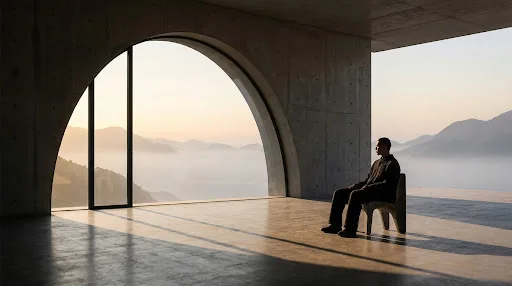
The physical constraint of massive stone walls dictates the acoustic reality within.
Silence, in these environments, was not the absence of noise, but a presence unto itself. It possessed weight, texture, and a commanding authority. It was a silence that demanded attention and cultivated focus.
In contrast, the silence of the digital age is an empty vessel. It is the eerie stillness of an unread inbox or a temporarily severed connection. It is not a designed experience, but a momentary lapse in the continuous stream of data.
Made with, and made for
How it works
Everything we publish is free to read on the day it appears. The subscription pays the writer, not the paywall.
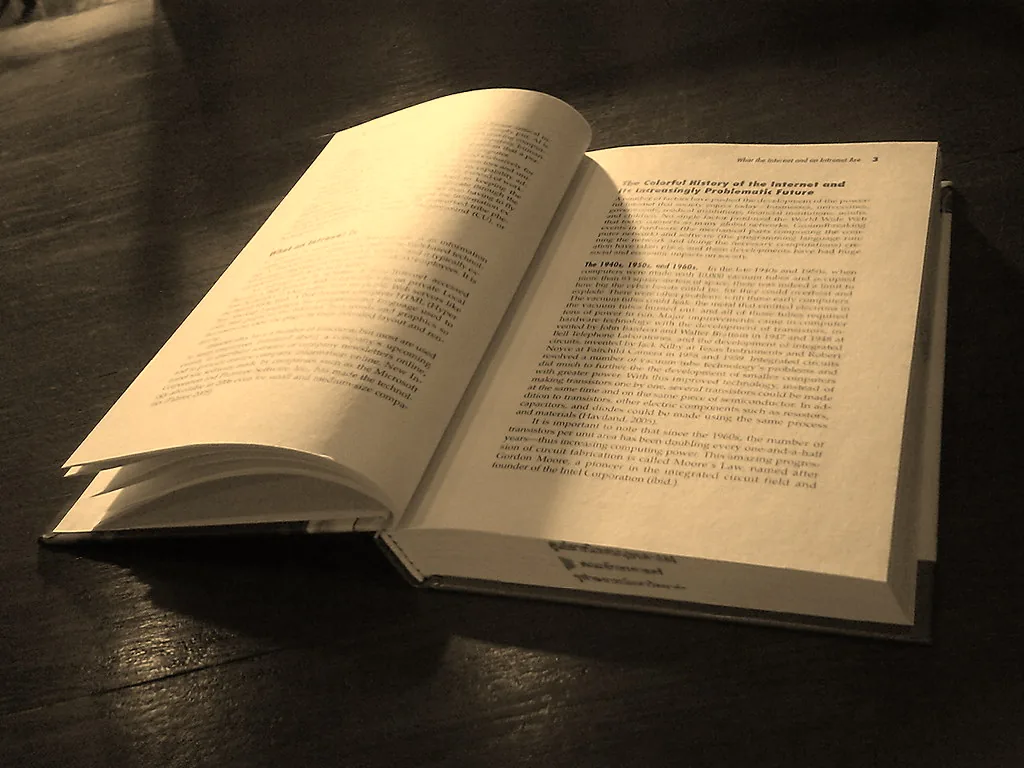
Four issues a year in print, set in a single serif, on paper chosen for reading rather than for looking expensive.
Open reading periods twice a year. We reply to everything, including the ones we turn down, within eight weeks.
What's included
Printed, sewn, and set in one serif throughout at a measure you can read for an hour.
Every essay is public on publication. No paywall, no metering, no account.
£1,200 an essay, on acceptance rather than on publication.
Twice a year, read blind, answered within eight weeks.
Everything published since 2020, plain HTML, no tracking.
One click, from the email. No retention flow.
Features
Our longest essay to date, at fourteen thousand words, printed in a single unbroken run without a subheading.
Twice a year, open to anyone, read blind. Roughly a fifth of what we publish arrives this way.
Two books a year, chosen from work that outgrew the quarterly, printed in runs of a thousand.
When we get something wrong we print the correction at the same length as the error.
The work




Pricing
Everything we publish, free, on the day it appears.
The quarterly in print, and the writers paid.
Funds one commissioned essay a year outright.
In their words
Fourteen thousand words with no subheadings, and I read it in one sitting. I had forgotten that was something a magazine could ask of me.
They paid me on acceptance. In fifteen years of writing essays that had happened twice before.
The correction was printed at the same length as the mistake. I have never seen anyone else do that.
Questions
Because the subscription is what pays the writer. The essay is free either way; whether the next one gets commissioned is the part you are deciding.
February and September, four weeks each, open to anyone. Read blind, answered within eight weeks whatever the outcome.
£1,200 for a commissioned essay, on acceptance rather than publication, and the same rate whether it runs at three thousand words or fourteen.
One click, from any email we have sent you. There is no retention flow and nobody will telephone you.
Start today, or read everything first. Both are fine.